Can Horses Eat Sweet Potatoes? A Senior Horse Guide
Can horses eat sweet potatoes? Yes, the root in moderation, and they are safe unlike regular potato plants. How to feed them, cooking tips, and metabolic limits.
Yes, horses can eat sweet potatoes in moderation, and the root is generally safe, unlike the toxic green parts of regular potato plants. Feed them washed and cut into small pieces, and many owners lightly cook them to soften them for worn teeth. Sweet potatoes do carry natural sugar and starch, so limit them for senior horses with PPID, EMS, or insulin dysregulation.
Sweet potatoes are a wholesome, vitamin-rich treat that horses often enjoy, but they come with a common point of confusion: people lump them in with regular potatoes, which is a mistake worth clearing up before feeding.
Treats and Feed for Senior Horses

Manna Pro Low-Sugar Apple Snax Treats
$13.76 on Amazon
No added sugar or molasses, low-starch, made for metabolic horses

Formula 707 Digestive Health Probiotic
$35.93 on Amazon
Probiotics, prebiotics, and enzymes to support senior gut health
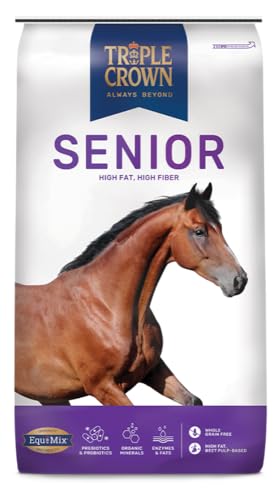
Triple Crown Triple Crown Senior Horse Feed
$54.49 on Amazon
High-fat, high-fiber soakable complete feed for older horses
Sweet Potatoes Versus Regular Potatoes
This distinction matters. Sweet potatoes are a different plant from white potatoes and are generally regarded as safe for horses in moderation. Regular potatoes, on the other hand, are nightshades, and raw, green, or sprouted potatoes, along with the leaves and stems of the potato plant, contain solanine, which can be toxic to horses. Feed sweet potato root, and steer clear of green or sprouted regular potatoes entirely.
How to Feed Sweet Potatoes
Wash sweet potatoes and cut them into small pieces. They can be fed raw, but lightly cooking or steaming them softens the flesh for easier chewing, which helps a senior with poor teeth and may aid digestion. Skip any butter, salt, sugar, or seasoning. Whether raw or cooked, small pieces are important to prevent choke from firm chunks, especially in older horses.
How Much Is Safe
A few small pieces is a generous treat for an average horse. Sweet potato is a treat, not a feed, so it should stay a small part of a forage-first diet. Because it carries sugar and starch, large servings are not ideal, and a sudden big amount can upset the gut. Introduce it gradually and keep portions modest, especially for a metabolic or senior horse.
Risks to Watch For
- Sugar and starch: sweet potatoes are not low-sugar, so limit them for metabolic horses.
- Choke: firm raw chunks should be cut small, especially for poor teeth.
- Confusion with potatoes: never feed green or sprouted regular potatoes or potato plant foliage.
The Senior Horse Note
For a metabolic senior, the sugar and starch in sweet potato are the limiting factor. PPID and EMS horses need low-starch, low-sugar diets, so sweet potato should be a tiny taste at most, or skipped, for an insulin-dysregulated horse. A small piece is unlikely to harm a well-controlled horse, but it is not a free treat. When in doubt, use a low-sugar option and check with your vet.
On the dental side, cooked or steamed sweet potato is soft and kind to a worn mouth, which makes it a reasonable occasional treat for a senior with dental disease, as long as it is not metabolic. Cut it small, introduce it gradually, and watch a horse that quids or drops feed. As ever, soft texture does not lower the sugar, so keep portions in check.
The Bottom Line
Sweet potatoes are a safe, wholesome treat for horses in moderation, and the root is fine unlike toxic regular potato plants. Wash and cut them small, cook them to soften for worn teeth, and feed only modest amounts. Limit or avoid them for metabolic seniors given their sugar and starch, and let your veterinarian guide a horse with PPID or EMS.
Senior Horse Care Planner
Track your senior horse's vital signs, feed and body condition, farrier and dental schedule, medications, and quality of life, all in one printable planner.
Frequently Asked Questions
Can horses eat sweet potatoes?
Yes, horses can eat sweet potatoes in moderation, and they are generally safe, unlike the green parts of regular potato plants. Feed them washed and cut into small pieces, and many owners lightly cook them to soften them for easier chewing. Sweet potatoes do contain natural sugar and starch, so limit them for metabolic horses. Always introduce them gradually, and feed only the root, not the vines or leaves.
Are sweet potatoes the same as regular potatoes for horses?
No, they are different plants. Sweet potatoes are generally considered safe for horses in moderation. Regular white potatoes, especially raw, green, or sprouted ones, and the leaves and stems of the potato plant, belong to the nightshade family and contain solanine, which can be toxic to horses. Stick to sweet potatoes, feed only the root, and avoid green or sprouted potatoes of any kind.
Are sweet potatoes safe for horses with Cushing's or EMS?
Sweet potatoes contain natural sugar and starch, so they should be limited or avoided for horses with PPID, EMS, or insulin dysregulation. A small piece is unlikely to harm a well-managed metabolic horse, but they are not a low-sugar food. For these horses, a low-sugar commercial treat is a safer reward. Confirm with your vet what fits your horse's metabolic plan before feeding starchy vegetables.
Should sweet potatoes be cooked for horses?
Sweet potatoes can be fed raw, but lightly cooked or steamed sweet potato is softer and easier to chew, which is helpful for a senior with worn teeth, and may be a little easier to digest. Avoid adding butter, salt, sugar, or seasonings. Whether raw or cooked, cut sweet potato into small pieces to prevent choke, since firm raw chunks can be a hazard for older horses.
How much sweet potato can a horse eat?
A few small pieces is plenty for an average horse. Sweet potato is a treat, not a feed, so keep it a small fraction of a forage-first diet. Because it carries sugar and starch, large amounts are not ideal, especially for metabolic horses, and a sudden big serving can upset the gut. Introduce it gradually and keep portions modest, particularly for a senior.
Can horses eat sweet potato vines or leaves?
It is safest to feed only the cooked or raw root and skip the vines and leaves. While sweet potato foliage is sometimes fed to other livestock, the simplest, safest approach for horses is to stick to small pieces of the root. Never feed the green parts of regular potato plants, which are toxic. When in doubt about any plant part, leave it out and ask your vet.
Need more help with your senior horse?
Browse our guides by topic to find practical solutions.
Wellness Planner: $39