Can Horses Eat Grass Clippings? Why They Are Dangerous
No, horses should not eat lawn or grass clippings. Why mowed clippings cause choke, colic, and laminitis, what to do if your horse eats them, and safe forage options.
No, you should never feed horses lawn or grass clippings. Even though horses graze fresh grass safely, mowed clippings are genuinely dangerous and can cause choke, colic, and laminitis. The problem is not the grass itself but the form: clippings are pre-cut, so a horse can bolt large amounts without chewing, and they ferment quickly in a warm pile. Keep all clippings well away from any horse.
This is one of the most important food-safety warnings for horse owners, because it is so counterintuitive. Grass is a horse's natural food, so it seems harmless to share the mowings. It is not. Lawn clippings send many horses to the vet every year.
Safe Forage for Senior Horses
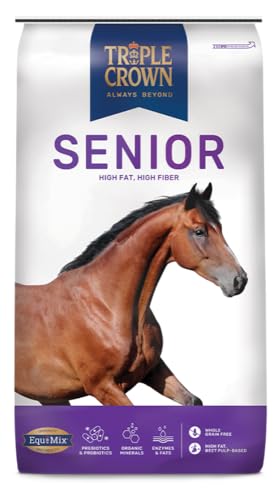
Triple Crown Triple Crown Senior Horse Feed
$54.49 on Amazon
High-fat, high-fiber soakable complete feed for older horses

Standlee Timothy Grass Mini Cubes
$44.99 on Amazon
Soakable forage cubes that replace long-stem hay for poor teeth

Majestic Ally Slow-Feed Hay Net
$26.99 on Amazon
Small-hole net to slow forage intake and mimic natural grazing
Why Clippings Are Dangerous but Grazing Is Not
When a horse grazes, it works slowly: biting small mouthfuls, chewing thoroughly, and mixing forage with saliva as it goes. That natural pacing protects the digestive system. Mowed clippings remove every safeguard. The grass is already chopped, so a hungry horse can gulp huge wads quickly without chewing. That raises the risk of choke, because unchewed clumps can lodge in the esophagus, and it dumps a sudden carbohydrate load on the hindgut.
Clippings also start to heat and ferment within minutes of mowing, especially when piled. A horse eating warm, fermenting grass can experience rapid fermentation and gas production in the gut, which causes bloating, colic, and a sudden release of sugars and fructans that can trigger laminitis.
The Specific Risks
- Choke: pre-cut clumps are swallowed without chewing and lodge in the esophagus.
- Colic: a fast, large carbohydrate load disrupts the hindgut.
- Laminitis: sugars and fructans in lush clippings can founder a susceptible horse.
- Bloating and gas: fermenting clippings produce gas in the gut.
- Contaminants: clippings may contain mower oil, toxic weeds, or treated lawn chemicals.
What to Do If Your Horse Eats Clippings
If a horse gets into clippings, remove the rest at once and watch closely. Signs of trouble include pawing, rolling, or looking at the flanks (colic), drooling, coughing, or food at the nostrils (choke), and reluctance to move, a rocked-back stance, or heat in the feet (laminitis). Call your veterinarian promptly if you see any of these. Do not wait to see if it passes, since these problems can escalate fast.
The Senior Horse Note
Older horses raise the stakes on every one of these risks. Dental disease makes choke from unchewed clumps more likely, and the high rate of PPID and EMS means a sudden load of sugary, fermentable clippings is especially dangerous for a senior's feet. A metabolic horse that founders can face a long, painful, and costly recovery. For these horses, lawn clippings are not a minor slip but a true emergency hazard.
Safe Ways to Feed Forage Instead
The safe forms of grass for horses are grazing, properly cured hay, and soaked hay alternatives. Hay is simply cut grass dried and cured so it can be fed safely, and soakable hay cubes or pellets are excellent for seniors with poor teeth. A slow-feed hay net stretches forage and mimics natural grazing. None of these carry the choke-and-ferment danger of fresh mowings.
The Bottom Line
Never feed horses lawn or grass clippings. They cause choke, colic, and laminitis because they are pre-cut, gulped without chewing, and quick to ferment, and the danger is worst for senior and metabolic horses. Keep clippings completely away from paddocks, act fast and call your vet if your horse gets into them, and feed forage only as grazing, hay, or soaked hay alternatives.
Senior Horse Care Planner
Track your senior horse's vital signs, feed and body condition, farrier and dental schedule, medications, and quality of life, all in one printable planner.
Frequently Asked Questions
Can horses eat grass clippings?
No, you should not feed horses lawn or grass clippings. Even though horses graze fresh grass safely, mowed clippings are dangerous. They are already cut into small pieces, so a horse can bolt large amounts without proper chewing, which can cause choke, colic, and laminitis. Clippings also ferment quickly, especially when piled and warm, which adds to the digestive risk. Never dump lawn clippings into a horse's paddock.
Why are grass clippings dangerous but grazing is fine?
When a horse grazes, it bites and chews small mouthfuls at a time, mixing forage with saliva and eating slowly. Clippings remove that natural pacing. They are pre-cut, so a horse can gulp big wads quickly without chewing, raising the risk of choke and a sudden carbohydrate load to the hindgut. Clippings also heat and ferment in a pile, which can cause rapid, dangerous fermentation in the gut.
Can grass clippings cause colic or laminitis?
Yes, both. A horse that gorges on clippings can take in a large, fast load of sugars and fructans that disrupt the hindgut, which can trigger colic and laminitis. The risk is highest with lush, fertilized, or spring grass, and worst for metabolic horses. Fermenting clippings can also produce gas and cause bloating. This is why clippings are considered a genuine emergency hazard, not just a poor treat.
What if my horse accidentally eats grass clippings?
If your horse gets into a pile of clippings, remove the rest immediately and watch closely for signs of colic, choke, or laminitis, such as pawing, rolling, drooling, coughing, reluctance to move, or heat in the feet. Call your vet promptly if you see any of these, and do not wait. Prevention is far easier than treatment, so keep all clippings well away from horses.
Are grass clippings worse for metabolic horses?
Yes. Horses with PPID, EMS, or insulin dysregulation are already prone to laminitis, and a sudden load of sugary, fermentable clippings is especially dangerous for them. Lush, fast-growing, or fertilized lawn grass can be high in sugars and fructans. For a metabolic senior, clippings are a serious risk, which is one more reason to keep mowed grass completely away from any horse.
Can I ever feed cut grass to horses safely?
Properly made hay is cut grass that has been dried and cured to be fed safely, and freshly hand-cut grass that is fed immediately and in small amounts is less risky than a fermenting pile, but mower clippings are not a safe shortcut. The safe ways to feed forage are grazing, good hay, and soaked hay alternatives like cubes and pellets. Skip lawn clippings entirely and use proper forage instead.
Need more help with your senior horse?
Browse our guides by topic to find practical solutions.
Wellness Planner: $39